Classic Japan - 11 Days
Trip Snapshot
Age range
15 - 99Start / End
- Kyoto
- Tokyo
Physical rating
Group size
1 - 12Meals included
13Highlights
- Spend a night in Koya-san’s Shukubo Temple and learn about the customs of traditional Japanese accommodation as you share vegetarian meals with the monks who run the lodgings.
- Discover Japan's most iconic city sites, from the geiko (geisha) district and Edo-period Nijo Castle in Kyoto to the temple district and contemporary highlights of Tokyo.
- Learn more about the sobering past of Hiroshima at the memorial park, museums and monuments dedicated to the victims – these sites now advocate for world peace, serving as a reminder of the devastation of war.
- Feast on okonomiyaki – Japan’s signature savoury pancake of egg, cabbage, soba noodles and meat or seafood – at an included dinner in Hiroshima.
- Meet the locals over a home-cooked dinner during your stay in a ryokan (a traditional Japanese inn) in the mountain town of Tsumago – a village preserved from the Edo period.
Download the full trip brochure
Everything you need to picture the adventure and pack with confidence — in one free PDF.
What's inside the PDF
Day-by-day itinerary
Every day mapped out, covering activities, travel times, meals and where you'll stay.Packing & kit list
Exactly what to bring, from clothing and essentials to luggage guidelines and what's available to hire locally.What's included
Accommodation, transport, guides and meals, so you can see exactly what your price covers.
Summary
Steeped in centuries of tradition and full of culinary prowess, Japan is awash with sights to see and histories to uncover. From Kyoto to Tokyo, you’ll spend 11 days exploring the heart of Japan. Stay in a monastery in Koya-san, walk part of the Nakasendo Highway, learn about the sobering history of Hiroshima and cruise along the Sumida River in Tokyo. Be tempted by tempura, savour your sushi and sip shochu as you explore the endless diversity of Japan with your small group, all with a local leader who knows all the best places by your side.
Itinerary
Day 1
Kyoto
Konnichiwa! Welcome to Kyoto. Your adventure begins with a welcome meeting at 6 pm. If you have some free time, step out onto the streets for your first taste of this beautiful city. Originally called Heian-kyo (literally 'peaceful and tranquil capital'), Kyoto was named the national capital by Emperor Kammu in AD794. The city had its golden age as Japan’s capital for over 1000 years before the emperor and government were moved to the new capital of Tokyo. After the meeting tonight, perhaps head out for your first taste of traditional Japanese food. As the former millennium-long home of the imperial kitchen, Kyoto is known as the centre of Japanese culinary tradition, so you should begin this trip with a delicious meal!
Day 2
Kyoto
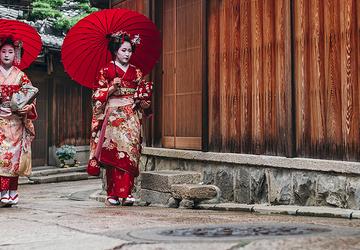
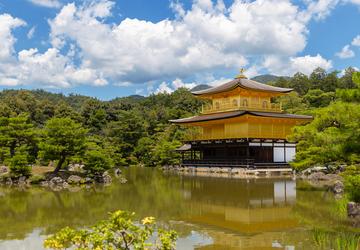
You’ll begin the day with a visit to some of Kyoto’s most important sites. Visit the opulent Nijo Castle – home to the Tokugawa Shoguns who ruled the country during the Edo period. Check out the ‘nightingale floors’ of Ninomaru Palace, which squeak to warn of intruders (like otherwise silent ninjas). From the castle, you’ll take a short bus ride to Ryoan-ji – perhaps Japan’s most famous Zen garden – where carefully placed rocks sit in an immaculately raked bed of gravel. Also nearby is the partially gold leaf-covered Kinkakuji Temple, immortalised in Yukio Mishima’s novel 'The Temple of the Golden Pavilion'. This evening, take a step back in time on a walk through the narrow streets of Kyoto's charming Gion district. An entertainment district and the centre of geiko culture, Gion comes alive at night. If you’re lucky, you might spot geiko (geisha) or maiko (apprentice geisha) in their elaborate dress and make up. If you’ve got the budget, perhaps attend a tea ceremony at one of the district's teahouses or splash out on a kaiseki meal in a ryotei (small restaurants serving traditional multi-course cuisine).
Day 3
Kyoto
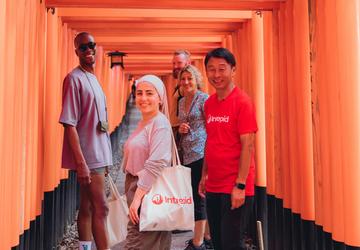
Today is a full free day and there’s so much for you to explore. With its many cultural landmarks, historical sites, an abundance of traditional arts and a rich literary history, Kyoto is regarded as the cultural heart of Japan. Maybe visit the Fushimi Inari Shrine, famous for its thousands of torii (gates) that line a path up Mt Inari. Kyoto is a city that lends itself to walking – it’s highly recommended you take a gentle stroll through the nearby eastern hills along the Philosopher’s Path that links Ginkaku-ji (the Temple of the Silver Pavilion) with Nanzen-ji Temple. This walk can be extended south through well-preserved Old Town areas to Kiyomizu-dera (Temple of Pure Water) from which there’s an acclaimed view across a wooded gorge toward Kyoto. Also recommended, for those visiting in April, is a visit to the theatre for a presentation of Miyako Odori (the Cherry Blossom Dance) performed by elaborately dressed geikos and maikos. Close to Kyoto station, you'll also find the architecturally impressive Higashi Honganji Temple and Sanjusangendo Temple, home to 1001 gold statues of Kannon. In the late afternoon, you might like to return to the Kawaramachi or Shijo Dori area of central Kyoto to browse the shops or enjoy dinner in one of the many restaurants in these buzzing districts.
Day 4
Koya-san
Take a train into Koya-san, spotting as many of the 120 temples dotted around the region as you can. Founded in the 8th century by the Buddhist saint Kobo Daishi, Koya-san has been the centre of Shingon Buddhism for over 1200 years. The last leg of the train journey takes you through some of Japan’s finest scenery, on a mountain road rising through the clouds, 915 m above sea level. The most impressive sight on Mt Koya is Japan’s largest cemetery – Okunoin – the resting place of many of Japan's most famous people. Some 200,000 stone statues, wooden totems and sometimes unusual memorials (a rocket marks the site of a mausoleum for the workers of an aerospace company) lie throughout this moss-laden forest. After visiting the mountain’s sights, make your way to the comfortable Shukubo (temple lodging) for the night. Here, you might interact with some of the monks that run the lodgings and learn about the customs of traditional Japanese accommodation. Tonight, experience a taste of shojin ryori – Buddhist vegetarian cooking made with fresh, simple ingredients.
Day 5
Hiroshima
Return by cable railway to Gokurakubashi, then travel to Osaka to board your first shinkansen (bullet train), headed for Hiroshima – you’ll reach speeds of up to 270 km per hour! As you speed south, stop to visit Japan’s most impressive samurai castle at Himeji. The building, which has survived earthquakes and war since the mid-16th century, was restored to its full glory in 2015. The moats, baileys, towers and walled alleyways were ingeniously designed to trick attackers – perhaps so intimidatingly that they were never tested. Explore the castle that was once home to over 10,000 samurai families and look out over the city from the seventh floor. Continue to Hiroshima and join your group for a dinner of okonomiyaki – Japan’s signature savoury pancake made of batter, cabbage, egg, customisable toppings like seafood, meat or vegetables and the traditional Hiroshima-style addition of yakisoba noodles.
Day 6
Hiroshima
This morning, you’ll visit the Genbaku (A-Bomb) Dome and the Peace Memorial Park and Museum, both of which memorialise the fateful day in August 1945 when Hiroshima was chosen as target for the first ever wartime use of the atomic bomb. Today, the dome serves as a reminder of the devastation of nuclear warfare and a symbol for world peace. At the memorial park, you’ll see museums and monuments in memory of the victims and learn about the events leading up to the bombing. In the afternoon, you’ll hop on a short ferry ride to the enchanting island of Miyajima. The island is home to the floating Itsukushima Shrine, famous for its bright orange torii (gate) that rises majestically out of the sea. Miyajima’s an ideal place for walking – maybe check out Momiji Park (AKA Maple Valley), where you can take a cable car up to the top of Mt Misen. Return to Hiroshima for the night and maybe explore more of the local cuisine for dinner – ask your leader for suggestions!
Day 7
Tsumago
Board a bullet train to Nagoya, then change to an express train and continue north to the mountainous centre of Japan. You’ll spend a memorable night in a ryokan (a traditional Japanese inn) near the village of Tsumago. Once a post town (where travellers could rest on their journeys) during the Shogunate period, Tsumago is the best preserved of the many posts along the historic Nakasendo Highway. The highway once connected Tokyo with Kyoto and is depicted in Hiroshige’s famous woodblock prints. Cars are prohibited in the main street and cables run underground to maintain the medieval atmosphere of the town. You’ll walk along a short section of the highway, from the post town of Magome to your accommodation at Tsumago. In tonight’s ryokan, rooms are equipped with thin futon mattresses that are spread on tatami mats. Tonight, you’ll enjoy a traditional dinner cooked in the ryokan.
Day 8
Matsumoto
This morning, you’ll have time to explore Tsumago and browse the local shops. You’ll then catch a train north to the picturesque castle town of Matsumoto. Matsumoto’s atmosphere is surprisingly cosmopolitan, while maintaining its historic charm and traditional streetscapes. This afternoon, you'll stroll through the former merchant district of Nakamachi, where you can find local crafts, treasures and great restaurants. You’ll also have the option of visiting the city’s most famous site, the Matsumoto Castle, formerly known as Fukashi Castle. Built in 1592, it’s the oldest original castle in the country. You’ll spend the evening here in Matsumoto. Perhaps try the local soba noodles (some of the best in the country) and be sure to sample some wasabi-based treats – the pristine water from the alps makes it grow particularly well here.
Day 9
Tokyo
In the morning, make your way by express train to Japan’s capital, Tokyo, to the hotel where you’ll be based for the next few days. Bursting with urban culture, there are many sides of Tokyo to explore, including fascinating museums, world-class shopping, bustling energy and futuristic architecture. In the neighbourhood backstreets, locals often reveal themselves to be some of the friendliest of any capital city in the world. There are many vestiges of the past, with historic temples and shrines to be found in some of the most unexpected places, as well as an abundance of parks and gardens that are particularly exquisite in spring when the cherry trees and azaleas are in bloom. When you arrive, you’ll have free time to explore – perhaps visit the expansive grounds and moat surrounding the Imperial Palace, then enjoy the myriad food options for dinner.
Day 10
Tokyo
Today, you’ll undertake a varied, full-day tour of the city, beginning in the historic Asakusa area. This is one of the older and more traditional parts of Tokyo – it’s often called the temple district. Here, you’ll stop by Senso-ji, the city’s oldest temple. At Nakamise shopping street, browse the many interesting stalls filled with tasty treats, crafts and souvenirs. You’ll also experience a different view of Tokyo as you relax on a short cruise down the Sumida River. You’ll pass the Skytree Tower, Asahi Beer Hall, Sumo Stadium and the former Tsukiji Fish Market complex. Disembark at the Hama Rikyu gardens and stroll along paths where the Shoguns once hunted ducks in the feudal era. Later, make your way to the luxurious shopping district of Ginza. Depending on the theatre schedule, you may have the chance to see a short performance of Kabuki. Or, visit the depachika (basement-level food hall) of a department store to see the huge range of produce on display.
Day 11
Tokyo
With no activities planned for today, your Japan adventure comes to an end. If you'd like to extend your stay, just speak to your booking agent ahead of time to organise additional accommodation.
What's Included
Accommodation
Hotel (8 nights), Temple Stay (1 night), Ryokan (1 night)
Meals
Breakfasts: 10, Lunches: 0, Dinners: 3
Vegetarian options are available on all meals throughout the adventure.
Vegetarian options availableTransport
Public Bus, Subway, Bullet Train, Train, Boat
Local Guide
GuidedThis adventure is led by a local guide throughout. The main language of this adventure is English. Please contact us for other languages available.
Wifi
Wifi is available during the adventure. In some areas and / or accommodation / transport Wifi may be free.
Dates & Prices
Aug 2026
from £3,796Sep 2026
from £4,346Oct 2026
from £4,628Nov 2026
from £4,153Jan 2027
from £4,153Feb 2027
from £4,089Mar 2027
from £4,212Apr 2027
from £4,579May 2027
from £4,212Jun 2027
from £4,089Jul 2027
from £4,212Aug 2027
from £4,089Sep 2027
from £4,089Oct 2027
from £4,336Nov 2027
from £4,316Dec 2027
from £4,316Jan 2028
from £4,089Feb 2028
from £4,089Mar 2028
from £4,089Apr 2028
from £4,316May 2028
from £4,089Jun 2028
from £4,089Jul 2028
from £4,089Aug 2028
from £4,089Sep 2028
from £4,089Oct 2028
from £4,089Nov 2028
from £4,316Dec 2028
from £4,316
- Save 11%Sunday 23 Aug 2026to Wednesday 2 Sep 2026£4,260£3,796Best offer
Customer reviews & ratings
Japan, wow, amazing people, culture and food. Loved every minute we were there. People are kind, caring, thoughtful and so helpful. Definitely coming back
Allison Jul, 2026 VerifiedFantastic trip. The overnight stays in a Buddhist monastery and the country inn were perfect
Timothy Jun, 2026 Verified
Essential trip information
Our Important Notes and Packing List cover all essentials, from necessary equipment to inclusions, ensuring you're fully equipped and informed for this extraordinary adventure and more.



Still have questions?
Can't find the answer you're looking for? Please chat to our friendly team.
Why book with us
Help Change The World
We collaborate with local businesses and communities.
Best Price Guaranteed
We won't be beaten on price. If you find this adventure at a lower price please get in touch!
You're In Good Hands
We work with trusted tour operators around the world.
You're spoilt for choice
We have the best choice of adventures on the market.